

On-Demand Manufacturing Solutions
+8615817600962      info@alpha-mold.com
Current position: Home>Resources>Blogs

Blog

We share insights, industry updates, and expertise in precision manufacturing.

Chinese-Based Mold Making Services

China has become one of the leading global hubs for mold making, offering a combination of technical expertise, manufacturing capabilities, and cost-effective services. Whether you're launching a new product or refining an existing one, working with Chinese-based mold making service providers can offer several practical advantages. 

Why China Is a Strategic Location for Mold Making

China’s position in the mold making industry has grown due to several factors:

  • Established Manufacturing Infrastructure: China has a well-developed industrial base that supports every stage of the mold making process, from raw material sourcing to final testing.

  • Skilled Workforce: Decades of industrial growth have cultivated a highly skilled talent pool familiar with both traditional and modern mold manufacturing techniques.

  • Cost Efficiency: Competitive labor and operational costs often make Chinese-based mold making services more affordable compared to those in other countries.

These advantages have made China a reliable option for businesses worldwide seeking custom molds for applications in automotive, consumer products, electronics, medical devices, and more.

Types of Mold Making Services Available in China

Chinese suppliers typically offer a wide range of mold-related services. Understanding these services can help businesses identify providers aligned with their specific project goals.

1. Injection Mold Manufacturing

Injection molds are widely used for producing plastic components. Chinese factories often specialize in producing high-precision, durable molds using CNC machining and EDM (Electrical Discharge Machining) techniques.

2. Die Casting Mold Making

For products requiring metal components, die casting molds made in China are used to produce aluminum, zinc, or magnesium parts. These molds must endure high pressures, and suppliers typically offer heat-treated steel options for extended mold life.

3. Prototype Tooling

Many Chinese mold makers offer rapid prototyping and short-run tools to help clients validate their product designs before committing to large-scale production.

4. Multi-Cavity and Family Molds

To increase productivity and reduce unit costs, manufacturers may use multi-cavity or family molds. Chinese suppliers often have experience in optimizing mold design to balance complexity and efficiency.

Evaluating Chinese Mold Making Service Providers

Not all mold making suppliers offer the same level of service. Here are key factors to consider when evaluating potential partners in China:

Communication and Responsiveness

Clear and timely communication is essential. Look for suppliers who can provide prompt updates, technical support, and transparency throughout the project.

Design and Engineering Support

Some suppliers go beyond fabrication and offer design review and engineering input. This can help avoid potential issues in the molding process and improve manufacturability.

Quality Assurance Practices

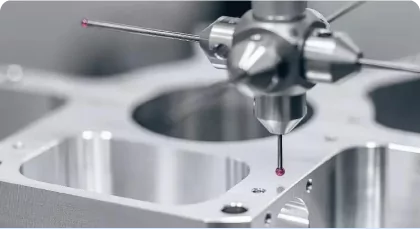
Ask about the supplier’s approach to quality assurance, including certifications such as ISO 9001, internal inspection procedures, and use of testing equipment like CMM (Coordinate Measuring Machine).

Lead Time and Logistics

Shipping timeframes and customs procedures should be discussed early in the planning stage. Reliable suppliers will provide realistic lead times and have experience in exporting molds or finished products globally.

Intellectual Property Protection

It’s important to partner with suppliers who have clear policies and practices regarding IP protection. Review their confidentiality agreements and ask about prior experience with international clients.

Common Misconceptions About Chinese Mold Makers

While some concerns have been raised in the past about offshore mold making, the landscape in China has evolved significantly. Today, many Chinese suppliers meet international standards in quality, professionalism, and compliance. However, due diligence is still necessary, and building a long-term relationship with a trusted supplier often yields the best outcomes.

Benefits of Partnering with a Chinese Mold Maker

Collaborating with a Chinese-based mold making service offers practical benefits, including:

  • Scalability: Many Chinese suppliers are equipped to scale from prototype to mass production.

  • Customization: A broad range of material and tooling options allows for greater flexibility in design.

  • Global Experience: Many established Chinese mold makers are familiar with North American and European standards, making cross-border collaboration more seamless.


China’s mold making industry continues to offer valuable solutions for global manufacturers. By carefully selecting a qualified supplier, businesses can take advantage of advanced capabilities, competitive pricing, and reliable output.

At Alpha-Mold, we maintain close partnerships with experienced mold making teams in China to ensure each client receives tailored solutions that align with their product development goals. If you’re exploring Chinese-based mold making services, we welcome the opportunity to discuss how we can support your next project.


Prototype Mold Making Suppliers: A Key Element in Product Development

When developing new products, one of the most important stages in the manufacturing process is the creation of prototype molds. Prototype mold making is essential for testing and refining product designs before mass production. For businesses looking to ensure that their product development process is smooth and efficient, partnering with reliable prototype mold making suppliers is critical. 

What is Prototype Mold Making?

Prototype mold making involves the creation of molds used to produce initial, small-scale versions of a product, typically made from materials such as plastic, metal, or silicone. These prototypes are essential for evaluating the design, fit, and functionality of a product before moving into full-scale manufacturing. Prototype molds allow manufacturers to test the product’s physical properties and make any necessary adjustments based on real-world feedback.

The Role of Prototype Mold Making Suppliers

A prototype mold making supplier plays an integral role in ensuring that the mold meets the precise specifications needed for the product. Here are some of the main tasks a prototype mold making supplier performs:

  1. Design Assistance: A skilled supplier can collaborate with product designers to ensure that the mold is optimized for the intended manufacturing process and end-use application.

  2. Material Selection: Choosing the right material for the mold is crucial. Suppliers often help in selecting the best materials that balance cost, durability, and functionality.

  3. Prototype Fabrication: Suppliers use advanced tools and technologies like CNC machining, 3D printing, and injection molding to create high-precision prototypes.

  4. Testing and Quality Control: After the prototype mold is created, it is tested to ensure it meets all requirements. Any issues discovered during testing are addressed before proceeding to the final production phase.

Key Factors to Consider When Choosing a Prototype Mold Making Supplier

Choosing the right supplier for prototype mold making is vital to the success of your project. Here are some factors to consider when selecting a partner:

1. Experience and Expertise

Look for suppliers with a proven track record in prototype mold making. Experienced suppliers are more likely to handle complex designs, offer valuable insights during the development process, and provide higher-quality results.

2. Technology and Equipment

The quality of the equipment and technologies used by a supplier directly impacts the precision of the prototype molds. Suppliers who invest in cutting-edge technology are more likely to produce molds that are accurate and durable.

3. Customization and Flexibility

Every product is unique, and having a supplier that can offer customized solutions to meet your specific needs is important. Ensure the supplier has the capability to handle a wide variety of materials and product designs.

4. Lead Time and Cost Efficiency

A good prototype mold making supplier should be able to deliver results within a reasonable time frame without compromising on quality. Additionally, they should offer competitive pricing that aligns with your project budget.

5. Quality Control Standards

It is important that the supplier has strict quality control measures in place to ensure that the final prototype molds meet the required specifications. Look for suppliers who have certifications and a strong commitment to maintaining quality standards.

Benefits of Working with a Reliable Prototype Mold Making Supplier

Partnering with a reliable prototype mold making supplier brings several advantages:

  • Reduced Time to Market: High-quality prototypes allow businesses to quickly identify any design flaws, leading to faster adjustments and reducing delays in product development.

  • Cost Savings: By identifying issues early in the process, prototype mold making can help prevent costly mistakes in mass production.

  • Enhanced Product Quality: With expert advice and precision fabrication, prototype mold making ensures that the final product meets the highest quality standards.

  • Improved Collaboration: A trusted supplier can offer valuable guidance, ensuring that the entire development process runs smoothly from concept to production.


Prototype mold making is a crucial step in the product development process, and selecting the right supplier is key to achieving success. A reliable prototype mold making supplier ensures that your design is refined, tested, and prepared for mass production. By considering factors such as experience, technology, customization, and quality control, you can make an informed choice and partner with a supplier who will help bring your product to life efficiently and effectively.

At Alpha-Mold, we are committed to providing high-quality prototype mold making services that meet the specific needs of our clients. With years of experience, state-of-the-art technology, and a focus on quality, we are ready to help you bring your ideas to market with confidence. Contact us today to learn more about our services.


5-Axis CNC Machining Manufacturers

In the world of precision manufacturing, the ability to produce complex geometries with high accuracy is essential. 5-axis CNC machining has become a cornerstone technology for manufacturers who need to create intricate parts with tight tolerances. This advanced machining process allows for multi-directional cutting, significantly improving both the efficiency and precision of the manufacturing process.


What is 5-Axis CNC Machining?

5-axis CNC machining refers to a process where a computer-controlled machine operates on a part using five different axes of movement: three linear axes (X, Y, and Z) and two rotational axes (typically labeled A and B). This setup enables the machine to access complex angles and shapes without the need for repositioning the part, significantly improving accuracy and reducing production time.

How Does 5-Axis CNC Machining Work?

A 5-axis CNC machine operates by simultaneously moving the cutting tool along the X, Y, and Z linear axes while rotating the part around the A and B axes. This allows for more complex and precise cuts on parts, especially those with intricate designs or features that are difficult to reach with traditional 3-axis machining.

By combining multiple movements in a single operation, 5-axis machining allows manufacturers to create detailed components that would otherwise require multiple setups and machines, increasing production efficiency and reducing errors.

Key Advantages of 5-Axis CNC Machining

1. Enhanced Precision and Accuracy

One of the main benefits of 5-axis CNC machining is its ability to achieve high levels of precision. The simultaneous control of five axes reduces the need for part repositioning, which can introduce errors. The result is improved accuracy, particularly for parts that require tight tolerances and fine details.

2. Increased Efficiency

Since 5-axis CNC machining can perform multiple operations in one setup, it significantly reduces the time needed to produce a part. With fewer tool changes and setups, manufacturers can streamline production processes, leading to shorter lead times and faster turnarounds.

3. Complex Geometries and Shapes

5-axis CNC machining excels in creating complex shapes that would be difficult or impossible to achieve using traditional 3-axis machines. It allows for precise machining of intricate contours, undercuts, and features with high geometric accuracy, making it ideal for industries requiring detailed components, such as aerospace, automotive, and medical.

4. Reduced Human Error

The automation of 5-axis CNC machining minimizes the risk of human error. Since the process is computer-controlled, the chances of inaccuracies due to operator fatigue or oversight are significantly reduced. This contributes to higher-quality parts and improved consistency across production runs.

5. Improved Surface Finishes

With the ability to access a part from multiple angles, 5-axis CNC machining provides better surface finishes, especially on complex geometries. The precision of the machine ensures smooth, polished surfaces with fewer marks or imperfections, which is crucial for industries where part appearance and finish are important.

Applications of 5-Axis CNC Machining

5-axis CNC machining is used across various industries, particularly those that require high-precision parts and complex geometries. Some of the primary applications include:

  • Aerospace: Parts such as turbine blades, engine components, and airframes, which often have complex shapes and tight tolerances, are commonly produced using 5-axis CNC machining.

  • Automotive: Components such as engine blocks, gear housings, and custom parts require the precision and efficiency provided by 5-axis machines.

  • Medical Devices: Implants, surgical tools, and other medical components that need intricate designs and precise finishes are frequently manufactured with 5-axis CNC machining.

  • Mold and Die Manufacturing: 5-axis CNC machining is essential for creating molds with detailed cavities and core pins, especially for injection molding and casting processes.

Why Choose 5-Axis CNC Machining Manufacturers?

Selecting the right 5-axis CNC machining manufacturer is crucial for ensuring that your parts meet the required specifications, quality standards, and delivery timelines. Here are some key factors to consider when choosing a manufacturer:

1. Experience and Expertise

Experienced manufacturers have the knowledge and technical expertise to optimize 5-axis machining processes for your specific needs. Look for a manufacturer with a proven track record of producing high-precision components in your industry.

2. Quality Assurance

Quality control is critical in 5-axis CNC machining. A reliable manufacturer will have robust quality assurance systems in place, including the use of advanced inspection tools to measure dimensions, surface finishes, and other key factors. This ensures that every part meets the highest standards of precision and quality.

3. Advanced Equipment

Not all 5-axis CNC machines are the same. Manufacturers should invest in the latest equipment to ensure that they can produce parts with the highest levels of accuracy and efficiency. Cutting-edge machines are capable of handling a wide variety of materials and complex designs.

4. Customization Capabilities

The best 5-axis CNC machining manufacturers offer customizable solutions to meet the unique requirements of each project. Whether it's a specific material, tolerance, or part geometry, the manufacturer should be able to tailor their services to your needs.

5. Customer Support and Communication

Good communication and strong customer support are essential when working with a 5-axis CNC machining manufacturer. You should be able to collaborate closely with the manufacturer to ensure that the final product aligns with your expectations and project timelines.


5-axis CNC machining offers several advantages for manufacturers looking to produce complex, high-precision components. The process provides enhanced accuracy, greater efficiency, and the ability to create intricate geometries that would be difficult to achieve with traditional methods. When choosing a 5-axis CNC machining manufacturer, it’s essential to consider factors such as experience, quality assurance, and equipment capabilities to ensure the best results for your project.

At Alpha-Mold, we specialize in providing advanced 5-axis CNC machining solutions for industries requiring high-quality precision components. Whether you’re in aerospace, automotive, medical, or mold manufacturing, our team is equipped to handle your most complex machining challenges.

For more information on how our 5-axis CNC machining services can meet your needs, contact us today or explore our offerings on our website.


Custom CNC Grinding Solutions

In precision manufacturing, the ability to customize machining processes to meet specific needs is essential for achieving high-quality results. Custom CNC grinding solutions provide manufacturers with the flexibility and precision required for complex and unique parts. These solutions are particularly valuable when standard grinding processes are not suitable for specialized applications.


What Are Custom CNC Grinding Solutions?

Custom CNC grinding solutions involve the use of Computer Numerical Control (CNC) grinding machines that are specifically tailored to meet the unique requirements of a project. These solutions can include the use of specialized grinding tools, customized machine settings, and specific grinding techniques designed for complex shapes, tight tolerances, and unique material properties.

Key Benefits of Custom CNC Grinding Solutions

1. Precise and Accurate Results

One of the main advantages of custom CNC grinding is the ability to achieve precise and accurate results. CNC technology allows for detailed control over the grinding process, ensuring that each part meets the exact specifications required. Whether it is a custom mold cavity, a specific surface finish, or an intricate component, CNC grinding can produce parts with tight tolerances and high accuracy.

2. Flexibility for Complex Geometries

Custom CNC grinding solutions are ideal for parts with complex geometries that may not be easily achieved with standard grinding processes. The flexibility of CNC machines allows manufacturers to design and produce custom grinding tools and processes to accommodate intricate shapes and designs. This makes CNC grinding an essential process for producing molds, core pins, inserts, and other precision components with detailed features.

3. High Surface Quality

CNC grinding is capable of producing excellent surface finishes, which is particularly important in industries like mold-making. Custom solutions ensure that the correct grinding parameters are applied to achieve the desired surface quality, whether it’s a smooth, mirror-like finish or a more textured surface for better molding performance.

4. Efficiency and Repeatability

Once a custom CNC grinding process is set up, it can be repeated with consistency, ensuring that each part is produced to the same high standard. This repeatability is crucial for high-volume production runs where uniformity is essential, and it also helps reduce the likelihood of errors caused by manual processes.

5. Material Versatility

Custom CNC grinding solutions can be applied to a wide range of materials, including hardened steels, tool steels, stainless steel, ceramics, and composites. By adjusting the machine’s settings, grinding wheel selection, and feed rates, manufacturers can tailor the process to optimize material removal, surface finish, and tool life for a specific material.

How Custom CNC Grinding Solutions Work

1. Initial Assessment and Design

The process begins with a thorough understanding of the client’s specific needs. Manufacturers assess the part's design, material, geometry, and performance requirements to determine the best approach for the custom grinding process.

2. Tool and Process Customization

Once the initial assessment is complete, the next step is to customize the CNC grinding process. This may involve selecting the right grinding wheel, customizing the machine’s settings, and determining the optimal feed rates and speeds to achieve the desired result. Special attention is given to the part’s unique features, such as surface texture, dimensional tolerance, and finish.

3. Prototype and Testing

Before full-scale production, a prototype or sample part is often produced to test the customized CNC grinding solution. This ensures that the process will deliver the desired results, and any necessary adjustments can be made before moving to larger production runs.

4. Full-Scale Production

Once the custom CNC grinding solution is perfected, full-scale production can begin. The CNC machine is programmed to carry out the grinding operations with precision, ensuring consistency and high-quality output across all parts.

5. Quality Control and Inspection

Throughout the grinding process, quality control measures are implemented to ensure that each part meets the required specifications. This may include inspecting dimensions, surface finishes, and other critical factors. The use of advanced measurement tools and systems ensures that every part adheres to the desired quality standards.

Applications of Custom CNC Grinding Solutions

Custom CNC grinding solutions are used across a variety of industries where precision and accuracy are paramount. Some common applications include:

  • Mold and Die Manufacturing: CNC grinding is used to create highly accurate mold cavities, core pins, inserts, and other critical components for injection molding and other processes.

  • Aerospace: In aerospace manufacturing, custom CNC grinding is used to produce parts with tight tolerances and high surface quality for components such as turbine blades, engine parts, and landing gear.

  • Medical Devices: Custom CNC grinding solutions are often applied to produce components like surgical instruments, implants, and medical device housings, which require precise finishes and tight tolerances.

  • Automotive: In automotive manufacturing, CNC grinding is used to produce components such as gears, shafts, and valve parts with high accuracy and surface finish requirements.

Why Choose Custom CNC Grinding Solutions?

Choosing custom CNC grinding solutions offers several advantages over standard grinding processes:

  • Tailored Approach: Custom solutions allow manufacturers to address specific challenges and produce parts that may not be feasible with standard processes.

  • Increased Efficiency: The ability to optimize grinding parameters for unique parts can result in faster processing times and reduced material waste.

  • Consistency and Quality: Custom CNC grinding ensures that each part meets the same high-quality standards, making it ideal for both low and high-volume production.


Custom CNC grinding solutions are a vital tool for manufacturers who require precision, flexibility, and high-quality results. By tailoring the grinding process to meet the unique needs of each part, manufacturers can achieve the tight tolerances, superior surface finishes, and intricate geometries required for complex components and molds. Whether you’re producing molds for the automotive industry, medical devices, or precision aerospace components, custom CNC grinding can provide the accuracy and reliability needed for high-performance applications.

To learn more about Alpha-Mold’s custom CNC grinding services or to discuss your project requirements, visit our website or contact our team for personalized assistance.


High Precision CNC Grinding

In the manufacturing of precision molds, the quality of each part is crucial for the overall functionality and durability of the final product. High precision CNC grinding plays a significant role in achieving the required surface finishes, tight tolerances, and complex geometries necessary for advanced mold-making processes.


What is High Precision CNC Grinding?

High precision CNC (Computer Numerical Control) grinding is a machining process that uses a rotating grinding wheel to remove material from a workpiece, achieving high levels of accuracy in surface finish and dimensional tolerances. The process is highly automated, ensuring consistent and repeatable results, and is typically used for producing complex shapes, fine finishes, and precise measurements in a variety of materials, including metals, ceramics, and composites.

Key Advantages of High Precision CNC Grinding

1. Enhanced Surface Finish

CNC grinding provides a superior surface finish that is often required for mold cavities and other precision parts. The fine abrasive nature of the grinding wheel ensures smooth surfaces that minimize friction and wear in the final mold, contributing to its longevity and performance.

2. Tight Tolerances

One of the main benefits of CNC grinding is its ability to achieve tight tolerances. The precise control of the grinding process allows manufacturers to produce parts with minimal variation in dimensions, ensuring that molds meet the exact specifications required for high-performance applications.

3. Complex Geometries

CNC grinding can create complex geometries that are difficult or impossible to achieve with traditional machining methods. By using specialized grinding wheels and tools, manufacturers can produce intricate mold shapes and fine features with a high degree of accuracy.

4. Material Versatility

High precision CNC grinding is effective on a wide range of materials, including hardened steels, tool steels, stainless steel, and high-temperature alloys. This versatility makes it an essential process for industries that require molds with specialized properties.

5. Improved Productivity

By integrating CNC technology into the grinding process, manufacturers can automate repetitive tasks, reduce human error, and increase production efficiency. This results in faster lead times and a more consistent output.

How High Precision CNC Grinding Works

1. CNC Machine Setup

The process begins with setting up the CNC grinding machine, where the workpiece is securely fixed in place, and the appropriate grinding wheel is selected based on the material and desired finish.

2. Grinding Process

The CNC machine automatically guides the grinding wheel over the workpiece, using precise movements to remove material. The machine’s computer-controlled system adjusts the speed, feed rate, and grinding depth to achieve the required finish and tolerance.

3. Cooling and Lubrication

To prevent overheating and maintain accuracy, cooling fluids or lubricants are often used during the grinding process. These substances reduce friction and dissipate heat, ensuring that the workpiece and the grinding wheel remain within optimal operating conditions.

4. Finishing Pass

Once the main grinding steps are completed, the machine makes finishing passes to refine the surface and achieve the desired final tolerance. This ensures that the part meets the precise specifications required for mold applications.

Applications of High Precision CNC Grinding in Mold Manufacturing

High precision CNC grinding is widely used in mold manufacturing, especially for applications that demand intricate details and high accuracy. Some key areas where CNC grinding plays a crucial role include:

  • Injection Mold Cavities: CNC grinding is used to create precise and smooth surfaces within mold cavities, ensuring that products produced in these molds meet high-quality standards.

  • Core Pins and Inserts: These small, complex components often require grinding to achieve the necessary precision and surface finish.

  • Runner and Gate Systems: CNC grinding helps produce the intricate channels and passageways required for effective material flow in injection molds.

  • Mold Polishing: High precision CNC grinding is often used for polishing molds to improve surface smoothness and reduce friction, which enhances mold performance.

Considerations When Choosing a CNC Grinding Process

When selecting a CNC grinding process, several factors need to be considered to ensure that the right method is used for the specific application:

  • Material Type: Different materials may require different grinding wheels or techniques to achieve the best results.

  • Part Geometry: The complexity of the part’s shape will determine the type of CNC grinding method to be used.

  • Tolerance and Finish Requirements: High precision CNC grinding is ideal for parts that require tight tolerances and fine surface finishes.

  • Production Volume: CNC grinding is highly effective for both low-volume and high-volume production runs, offering flexibility in manufacturing.


High precision CNC grinding is a vital process in mold manufacturing, offering advantages such as superior surface finishes, tight tolerances, and the ability to create complex geometries. As industries continue to demand high-quality molds for precision parts, the importance of this technology in producing reliable and high-performing products cannot be overstated.

For more information about how Alpha-Mold utilizes high precision CNC grinding in its manufacturing processes, or to learn more about our mold-making capabilities, please visit our product page or contact our team for further inquiries.


CNC Swiss Precision Turning – Ultra-Fine Machining Solutions by Alpha-Mold

In today’s advanced manufacturing world, industries such as medical, aerospace, electronics, and automotive demand components with extreme precision and tight tolerances. CNC Swiss precision turning is the gold standard for producing such parts, and Alpha-Mold is proud to be a trusted provider of world-class Swiss turning services for global clients.

What Is CNC Swiss Precision Turning?

CNC Swiss turning is a specialized form of CNC machining where the workpiece moves in the Z-axis while the cutting tool remains stationary, allowing for high-precision machining of very small and complex parts. The method originated in Switzerland for producing high-end watch components and has since evolved into one of the most precise turning technologies available.

This process is ideal for manufacturing tight-tolerance cylindrical components — especially long, slender parts — and allows for simultaneous multi-tool operations, significantly reducing cycle times and boosting efficiency.

Why Choose CNC Swiss Turning?

  • Extreme precision – Achieve tolerances as tight as ±0.002 mm

  • Superior surface finish – Minimal post-processing required

  • Efficient for small, complex parts

  • Excellent repeatability for high-volume runs

  • Multi-axis capability for intricate geometries and cross-drilling

Whether you're producing thousands of micro-components or complex, one-off prototypes, CNC Swiss precision turning offers consistent, high-performance results.

Alpha-Mold – CNC Swiss Turning Specialists

As a leading Swiss precision turning service provider in China, Alpha-Mold offers full-service CNC machining with a focus on high-accuracy, small-diameter parts

Our Swiss Turning Capabilities

  • Turning diameter range: 0.5 mm to 32 mm

  • Materials handled: Stainless steel, titanium, brass, aluminum, copper, plastics, and more

  • Tolerances: As tight as ±0.002 mm

  • Volume: From prototypes to full production runs (1–100,000+ units)

  • Secondary operations: Threading, milling, drilling, knurling, deburring, polishing, and anodizing

Our facility is equipped with state-of-the-art Swiss-type CNC lathes, capable of multi-axis simultaneous machining and automatic bar feeding for high-speed, high-accuracy production.

Industries We Serve

CNC Swiss precision turning is ideal for industries that demand micro-scale components with high accuracy:

  • Medical – Bone screws, surgical instruments, dental implants

  • Aerospace – High-strength fasteners, precision bushings

  • Electronics – Pins, terminals, sensor housings

  • Automotive – Injection system parts, fuel nozzles

  • Industrial Applications – Shafts, spacers, valves, and couplings

At Alpha-Mold, we manufacture each component to exact customer specifications, ensuring quality, consistency, and functional reliability.

Why Choose Alpha-Mold for Swiss CNC Turning?

ISO-Certified Quality
We operate under strict quality control systems, with inspection reports and full traceability provided.

Advanced Equipment
We utilize premium Swiss-type CNC lathes from leading global brands for ultimate machining precision.

Experienced Engineering Team
Our technical experts help optimize part design for manufacturability and cost efficiency.

Rapid Turnaround
Efficient production scheduling and streamlined logistics mean you get your parts on time, every time.

Global Reach
Serving clients across North America, Europe, and Asia with reliable export and support services.

Request a Free Quote Today

Looking for expert CNC Swiss precision turning services you can rely on? Contact Alpha-Mold and discover the difference precision engineering can make for your next project.